


Carbon-Neutral Concrete: The Next Frontier for Infrastructure
- Materials, Technology
- Jude Wagner
Addressing the Carbon Footprint of Construction
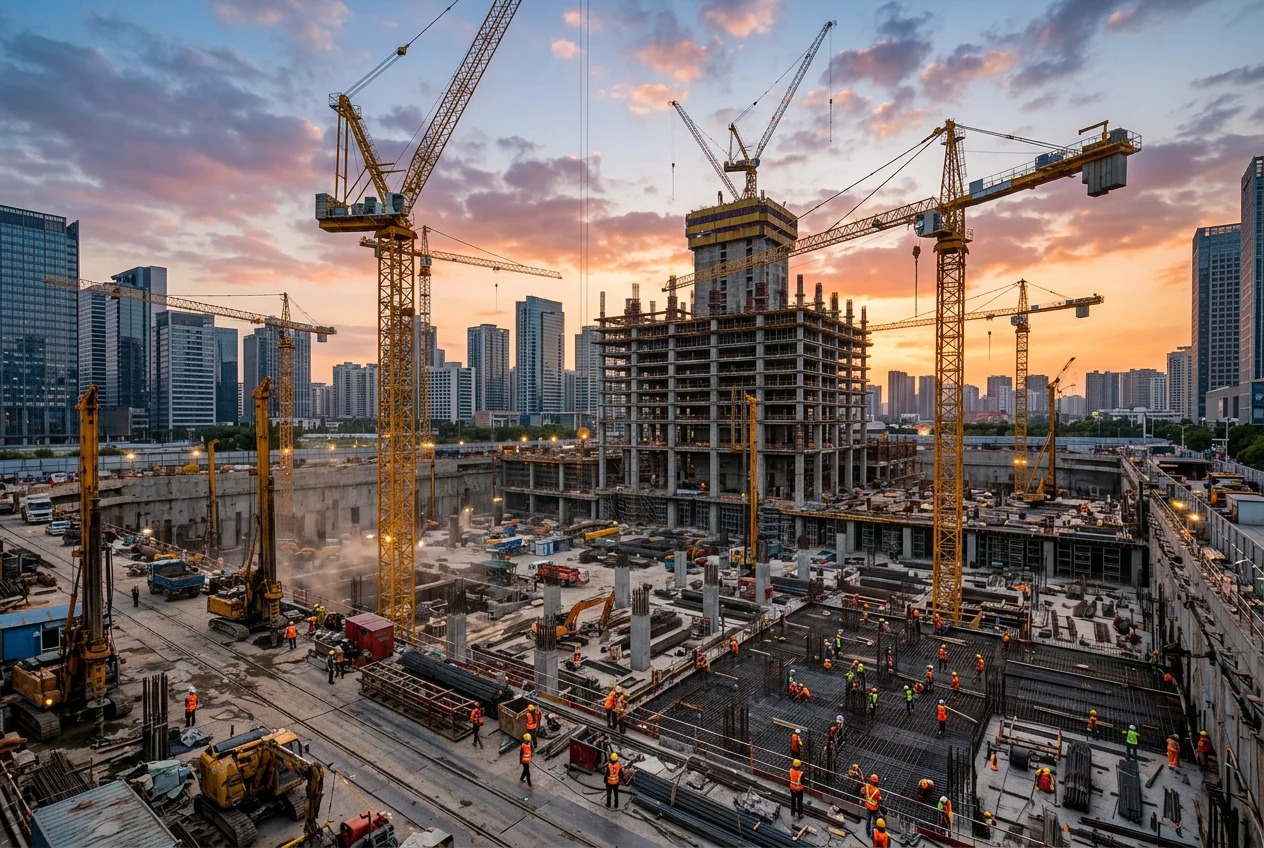
Concrete stands as the most widely used man-made material on Earth. Its production contributes significantly to global carbon emissions. The industry now focuses on developing carbon-neutral alternatives to mitigate this impact. BuildChange Case Files tracks the emergence of these innovative materials in large-scale infrastructure projects. This transition is essential for meeting international climate targets.
Innovative Chemical Formulations
Traditional cement production releases carbon dioxide during the calcination of limestone. New formulations replace a portion of the clinker with supplementary cementitious materials. Calcined clays and volcanic ash offer promising results. These alternatives reduce the energy required for manufacturing. Some manufacturers even inject captured carbon dioxide into the wet mix, where it mineralizes and strengthens the final product.
Structural Performance and Longevity
Engineers often question the durability of new materials. Tests show that carbon-neutral concrete performs as well as, or better than, conventional mixes. It exhibits high resistance to chloride penetration and sulfate attack. This durability extends the lifespan of bridges and highways. Long-lasting infrastructure reduces the need for frequent repairs and replacements, further lowering the total carbon footprint over time.
Economic and Regulatory Drivers
Governments are implementing stricter regulations on building materials. Carbon taxes and green procurement policies encourage the adoption of low-carbon solutions. Developers find that sustainable buildings attract higher investment and better tenants. The initial cost of carbon-neutral concrete is decreasing as production scales up. This trend makes eco-friendly choices more accessible for public and private sectors.
Implementing Green Materials
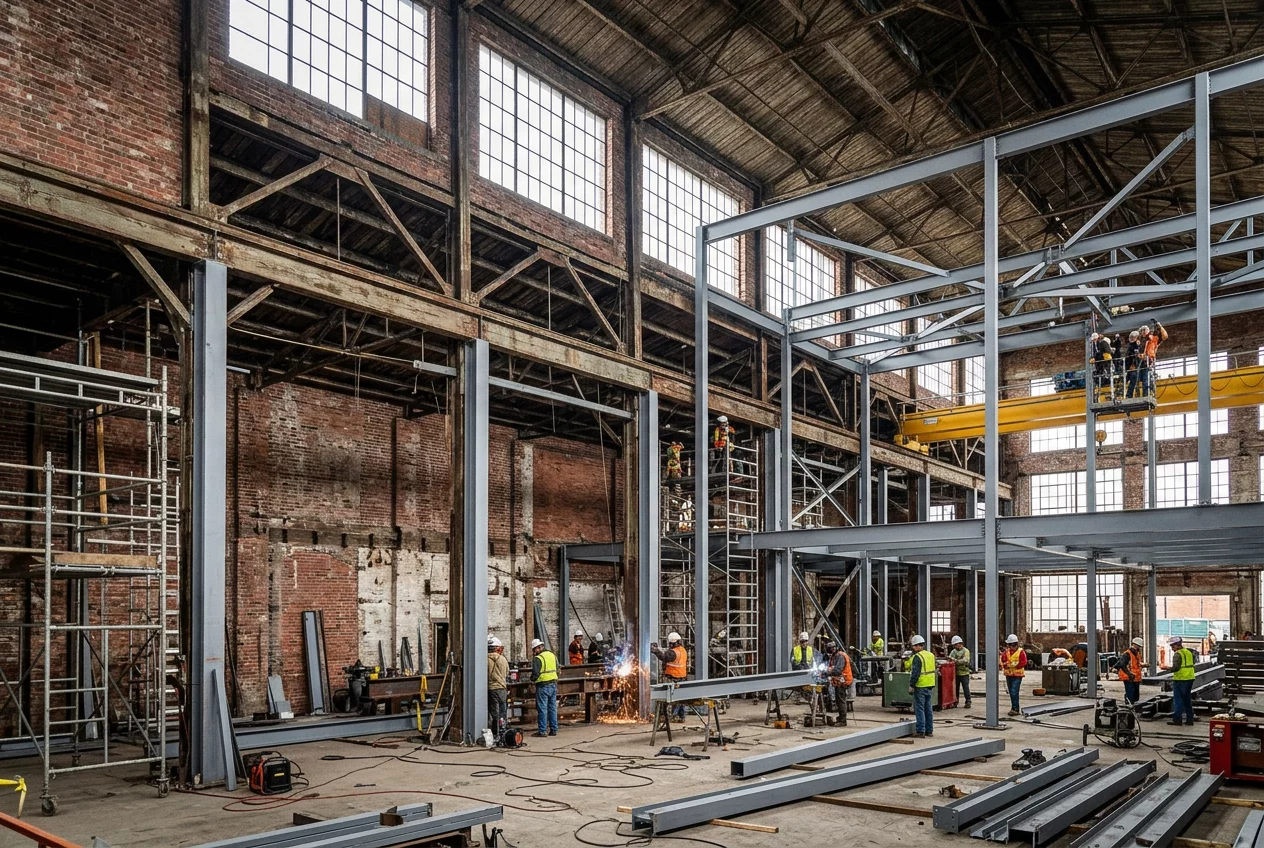
Switching to new materials requires careful planning. Contractors must adjust their mixing and pouring techniques. Standardized testing protocols ensure consistency across different batches. Collaboration between material scientists and site managers is crucial for success. Look for suppliers with certified environmental product declarations.
- Reduction in clinker content
- Carbon capture and mineralization
- Use of recycled aggregates
- Enhanced chemical resistance
- Lower energy production methods
Monitor the performance of green concrete in various climates. Document the carbon savings achieved in every phase. Support the shift toward a circular construction economy.
Sarah Mendeleev
0 Comments