
Integrating Biophilic Design into Commercial Office Spaces
- Materials, Technology
- Randy Watkins
Reconnecting the Modern Office with Nature
Commercial office design is undergoing a fundamental transformation. The focus has shifted from mere utility to employee well-being. Biophilic design serves as the cornerstone of this movement. BuildChange Case Files explores how incorporating natural elements creates healthier work environments. This approach goes beyond placing a few plants in a lobby; it involves a deep integration of nature into the building's DNA.
The Psychological Impact of Natural Light
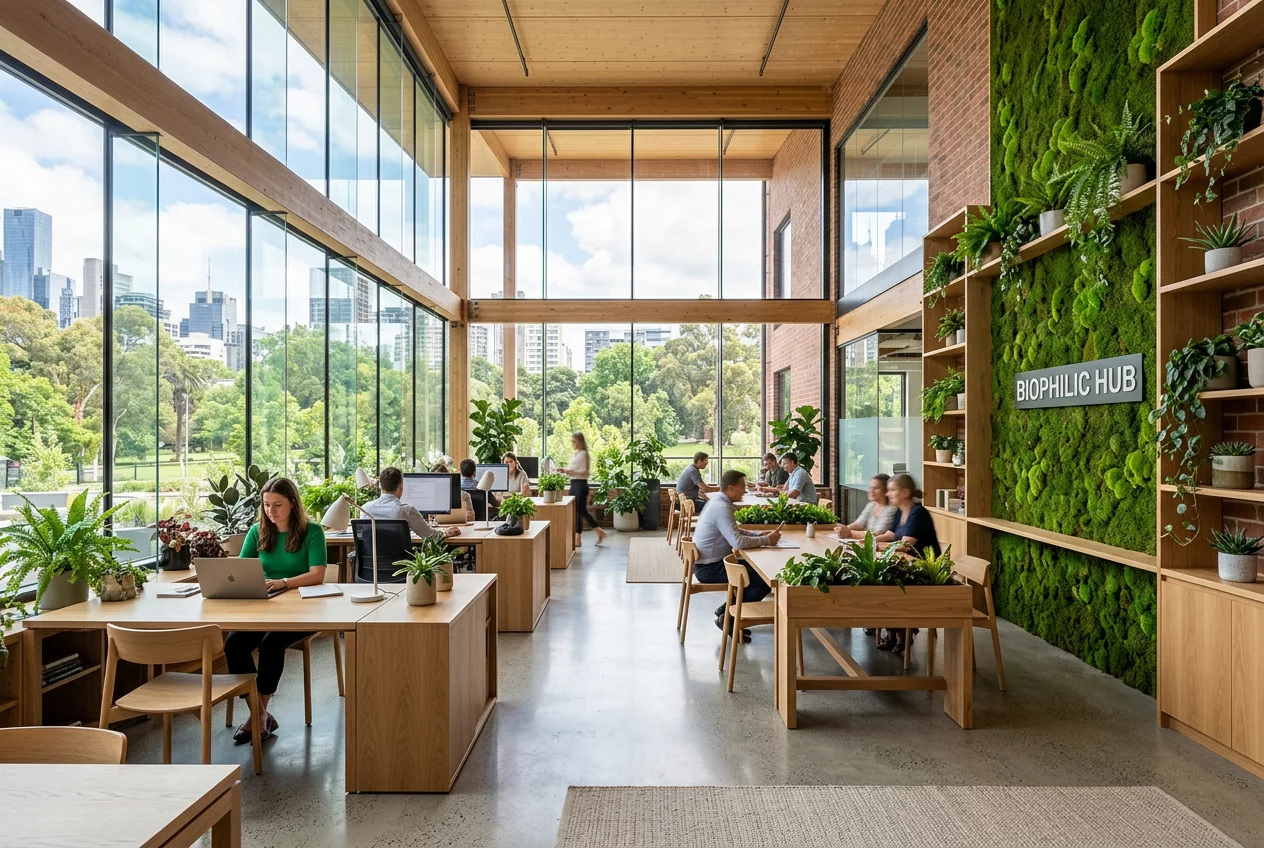
Access to natural light is one of the most effective biophilic strategies. It regulates the human circadian rhythm and improves mood. Architects design buildings with deep floor plates and light wells to bring sunshine into the core of the office. Dynamic glass technology adjusts tint levels to manage glare while maintaining views. Employees in well-lit spaces report higher levels of focus and lower stress.
Living Walls and Indoor Ecosystems
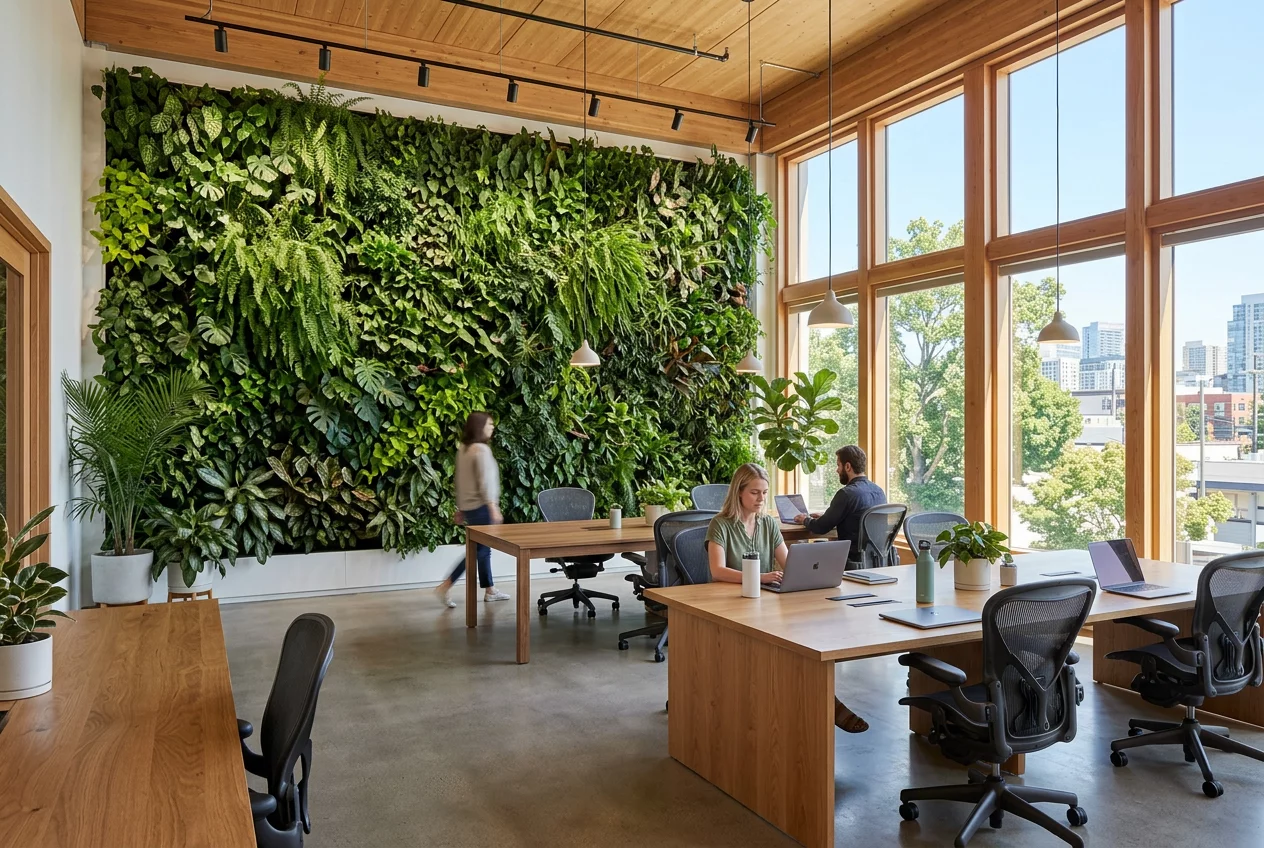
Vertical gardens and indoor forests are becoming common features in modern headquarters. These living walls act as natural air filters, removing toxins and increasing oxygen levels. They also provide visual interest and a sense of tranquility. The sound of running water from indoor fountains masks distracting office noise. These sensory experiences create a restorative atmosphere that encourages creativity and collaboration.
Fractal Patterns and Natural Materials
Humans have an innate affinity for the complex patterns found in nature. Architects use wood, stone, and bamboo to bring organic textures into the workspace. Carpets and wall coverings often feature fractal designs that mimic forest floors or leaf structures. These subtle cues reduce cognitive fatigue. Using local, sustainable materials also connects the building to its specific geographic context.
Measuring the Return on Wellness
Investing in biophilic design yields tangible benefits for businesses. Companies observe lower rates of absenteeism and higher employee retention. Productivity levels often rise when workers feel comfortable and connected to their environment. LEED and WELL certifications provide frameworks for implementing these strategies effectively. A healthy building is a valuable asset in the modern talent market.
- Maximized natural daylight
- Integrated vertical gardens
- Natural ventilation systems
- Organic textures and materials
- Fractal design patterns
- Indoor water features
Incorporate natural elements into your next office renovation. Prioritize views of the outdoors for every workstation. Create spaces that nourish the human spirit.
Marcus Vane
5 Comments
Glen Taylor
We recently added a green wall to our breakroom and the difference in atmosphere is incredible. Everyone seems more relaxed.
Louise Woods
That is wonderful to hear, Karen. The psychological impact is often immediate.
Ann Martin
How do you handle the maintenance costs for these indoor forests?
Matthew Ross
Automated irrigation and specialized maintenance contracts are key. It is an operational cost that pays for itself in employee retention.
Lukas Hill
I love the idea of fractal patterns in carpets. It's such a subtle but effective way to bring nature in.