








How 3D Printing is Reshaping On-Site Construction Safety
- Materials, Technology
- Clay Smith
Automation as a Shield for Workers
Construction sites are inherently hazardous environments. Heavy machinery and high-altitude work present constant risks to personnel. 3D printing technology offers a solution by automating the most dangerous tasks. BuildChange Case Files analyzes how robotic systems are transforming the safety landscape. This evolution allows human workers to focus on supervision and complex assembly from a safe distance.
Reducing Exposure to Physical Hazards
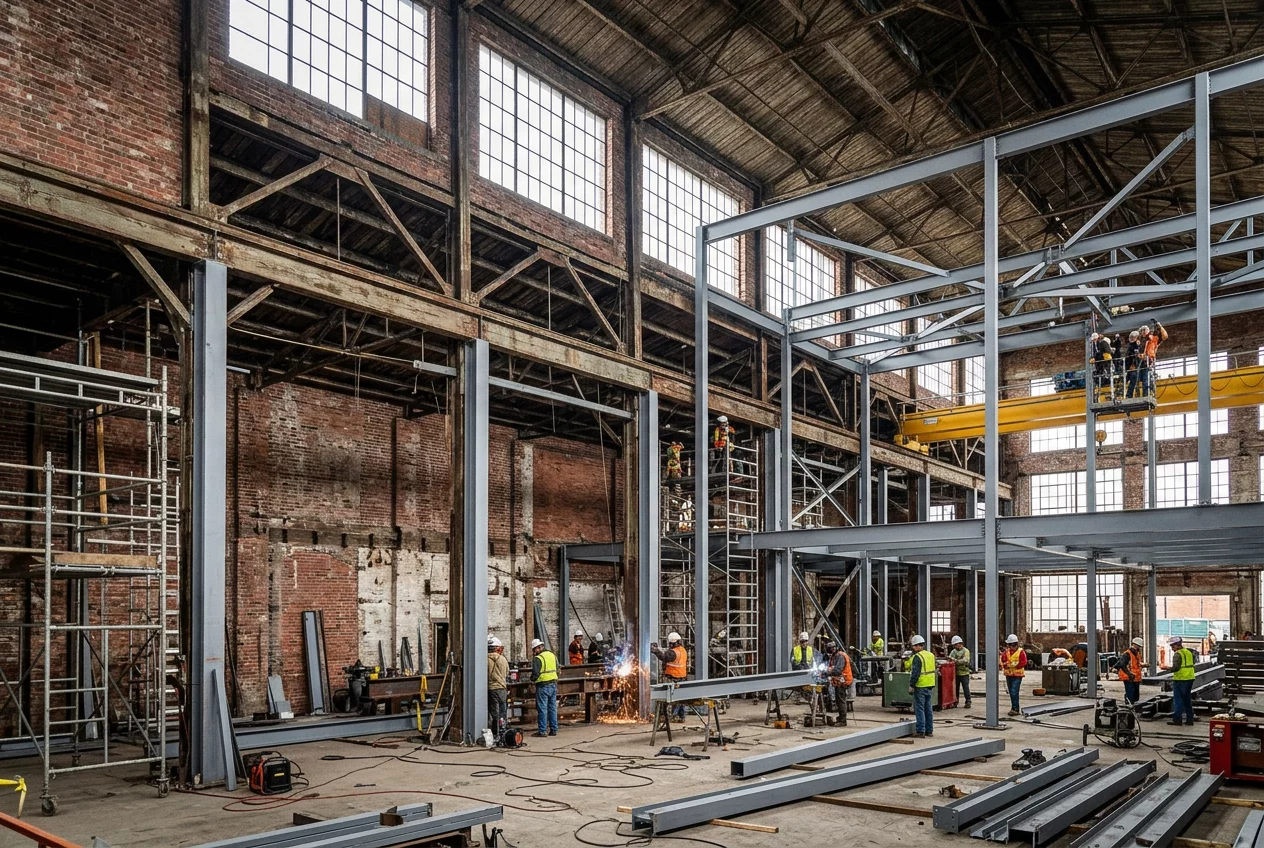
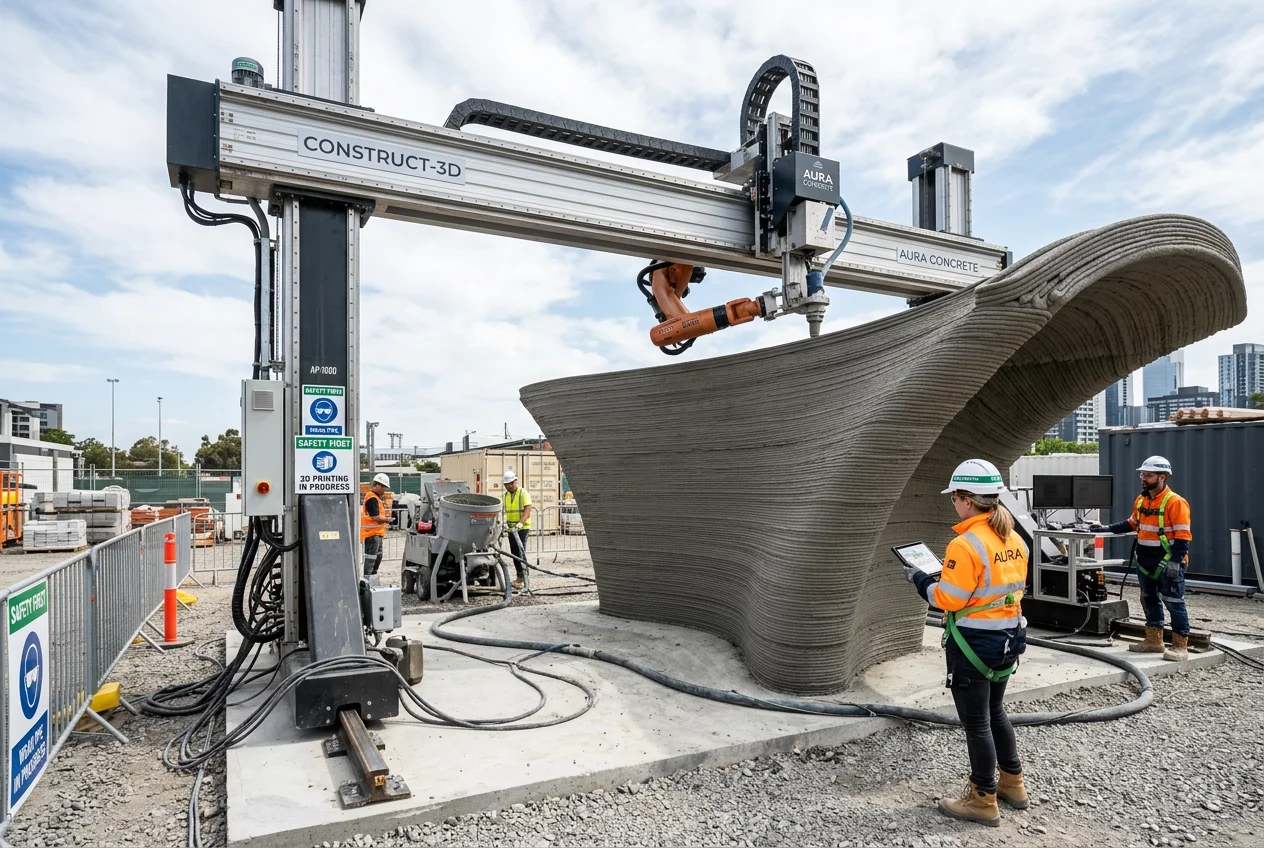
Traditional wall construction involves manual labor at significant heights. Scaffolding and ladders are common sites for accidents. Large-scale 3D printers eliminate the need for much of this temporary structure. The robotic arm deposits layers of material precisely, following a digital blueprint. This process removes workers from the immediate vicinity of falling objects and unstable surfaces. Safety statistics show a marked decrease in injuries on automated sites.
Precision and Predictability
Human error often leads to structural weaknesses or on-site mishaps. Robots operate with a level of precision that humans cannot match. They follow exact paths and maintain consistent material flow. This predictability reduces the likelihood of sudden collapses or equipment failures. Site managers use digital twins to simulate the printing process before execution. This preparation identifies potential hazards in a virtual environment.
Health Benefits of Automated Mixing
Manual handling of dry cement and chemical additives poses respiratory risks. 3D printing systems often use enclosed mixing and delivery units. This containment prevents dust and fumes from entering the workspace. Workers are no longer required to lift heavy bags of material repeatedly. Reducing physical strain leads to a healthier and more sustainable workforce.
Training for a Digital Future
The shift to 3D printing requires new skill sets. Laborers are becoming technicians and system operators. Training programs focus on software management and robotic maintenance. This professionalization of the workforce improves overall site discipline. Safety protocols are integrated directly into the machine's operating system. Emergency stop functions provide immediate protection in case of anomalies.
- Automated material deposition
- Remote monitoring systems
- Enclosed chemical handling
- Virtual safety simulations
- Reduced scaffolding requirements
- Standardized robotic movements
Evaluate the safety benefits of automation for your next project. Invest in training for your crew to handle robotic equipment. Prioritize the removal of humans from high-risk zones.
James Wu
3 Comments
Brian Ramos
The reduction in scaffolding alone is a massive win for safety. I've seen too many accidents involving temporary structures.
Connie Watkins
Exactly, Robert. Eliminating those heights is the primary goal for our current safety initiatives.
Mary White
Is the material used in 3D printing as fire-resistant as traditional concrete?