


The Role of Generative Design in Modern Urban Landscapes
- Materials, Technology
- Johnny Powell
The Algorithmic Evolution of Urban Planning
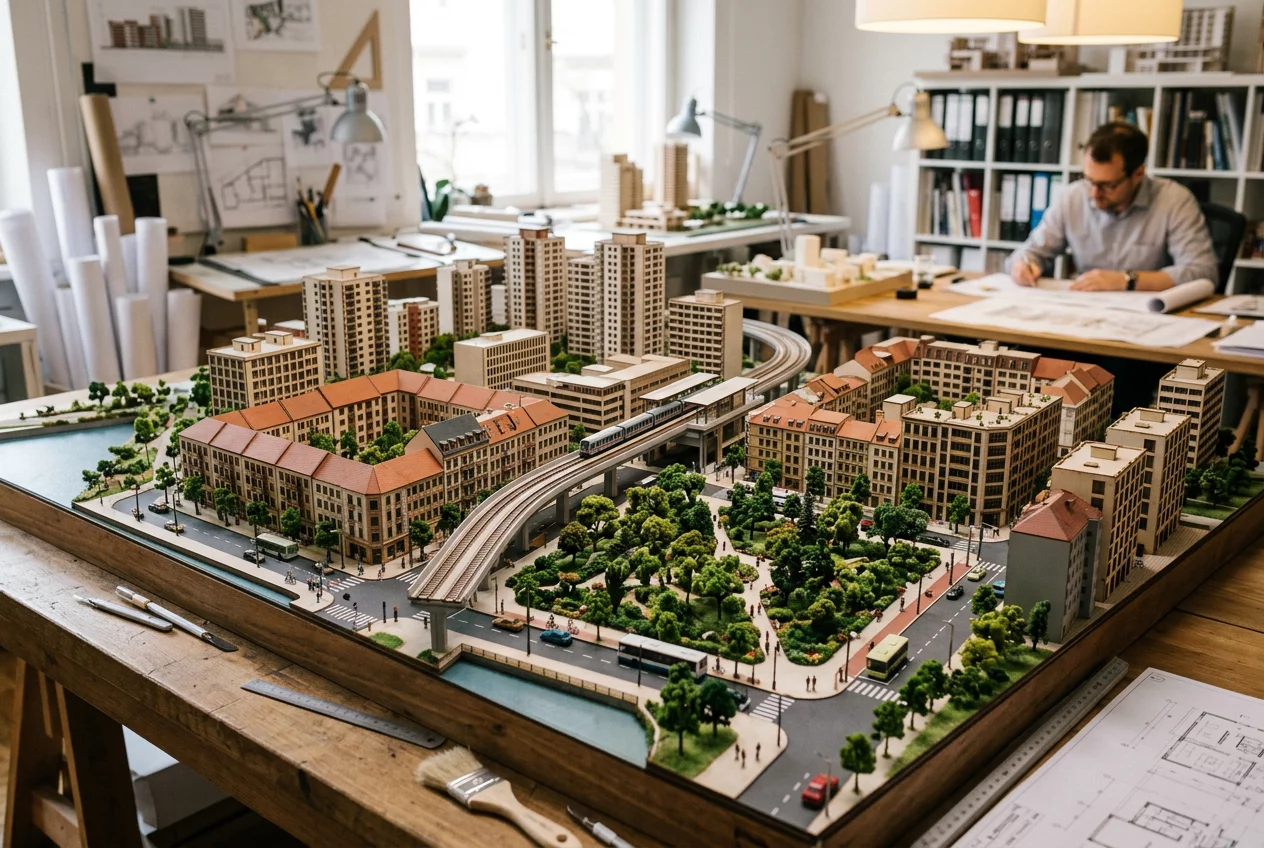
Modern urban landscapes face unprecedented pressures from population growth and environmental change. Architects now utilize generative design to navigate these complexities. This methodology employs computational algorithms to explore thousands of design permutations based on specific constraints. BuildChange Case Files observes that this shift represents a move from intuition-based sketching to data-driven optimization.
Defining Parameters for Success
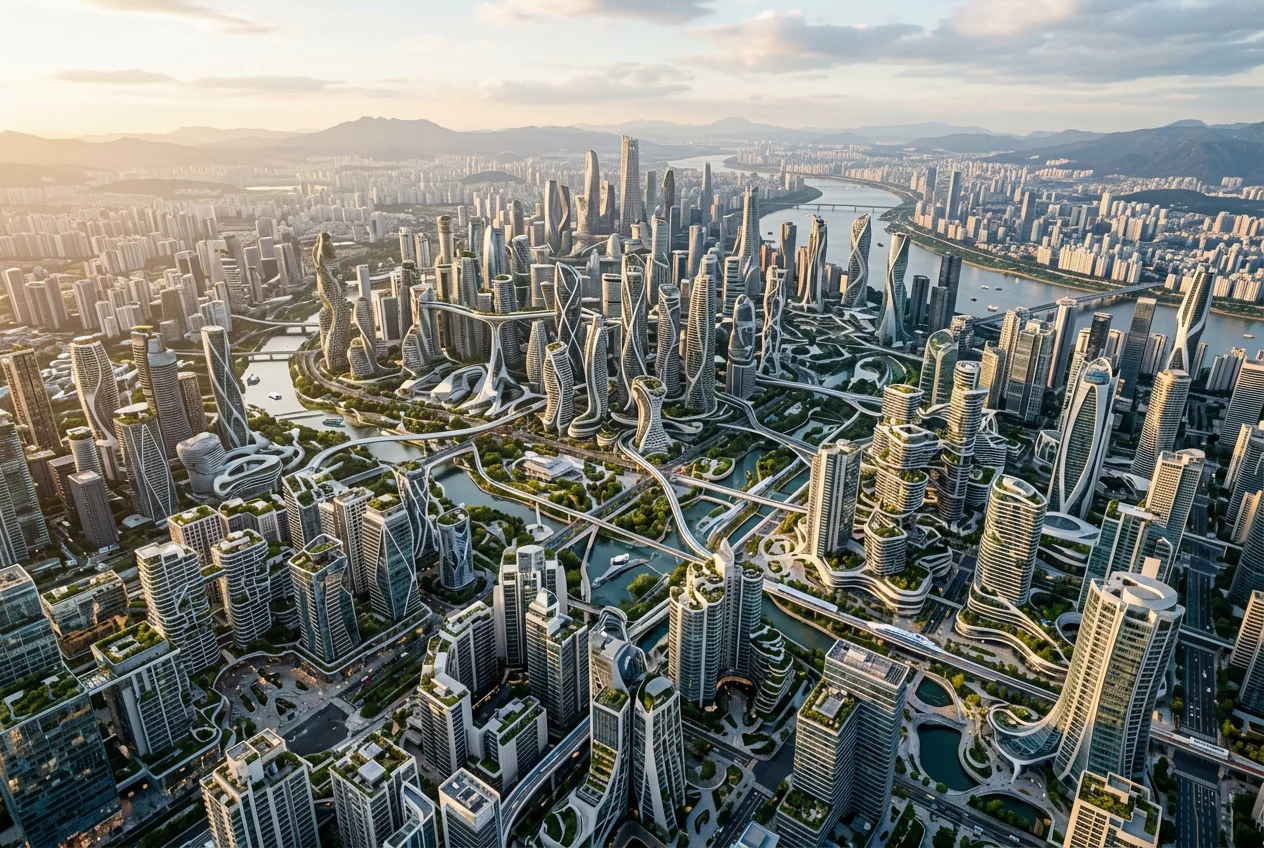
Generative design begins with the definition of goals. Engineers input variables such as solar gain, wind patterns, and pedestrian accessibility. The software then processes these requirements to produce viable geometric solutions. These outputs often feature organic, fluid shapes that traditional methods might overlook. Urban planners evaluate these options to find the most efficient use of space.
Case Studies in Efficiency
Recent projects in dense metropolitan areas demonstrate the power of this technology. One development in Singapore utilized algorithms to maximize natural ventilation across a residential complex. The resulting layout reduced the need for artificial cooling by twenty percent. Another project in London focused on sunlight exposure for public parks. The software adjusted building heights and orientations to ensure that green spaces remained bright throughout the day. These examples show how technology serves human needs.
Integration with Existing Infrastructure
Fitting new designs into old cities requires precision. Generative tools analyze existing street grids and utility networks. They identify the best locations for new structures without disrupting essential services. This capability makes the redevelopment of brownfield sites more feasible. Planners use the data to convince stakeholders of a project's long-term viability.
The Future of Computational Design
Advancements in machine learning continue to expand the possibilities. Future systems will likely incorporate real-time traffic data and social metrics. This evolution will allow for even more responsive urban environments. The role of the architect remains vital as the final arbiter of aesthetic and social value. Technology provides the options, but humans make the choices.
- Optimization of sunlight and shade
- Reduction of wind tunnel effects
- Enhanced pedestrian connectivity
- Efficient land utilization
- Minimized material waste
Review the latest computational models to understand these trends. Examine the relationship between density and livability in your next project. Use the data to drive sustainable outcomes.
Dr. Aris Thorne
0 Comments