Infrastructure Design Pivot and Cost Correction Dataset
Managing Scale and Uncertainty in Civil Works
Infrastructure projects—bridges, tunnels, and transit hubs—are uniquely susceptible to design pivots due to their scale and environmental exposure. This dataset archives the critical moments when major civil engineering projects had to change course. We analyze the primary drivers of these shifts, ranging from unforeseen geological strata to changes in political funding. The focus is on the technical solutions implemented to keep projects viable when the original plan became untenable. By examining these cost corrections, we provide a realistic framework for risk assessment in large-scale public works.
Geological Surprises and Tunneling Adjustments
Tunneling projects often face the most dramatic design pivots. Our files document instances where Tunnel Boring Machines (TBM) encountered unexpected soil conditions, necessitating a change in excavation methodology. We analyze the transition from open-face shield tunneling to slurry-pressure systems in mid-project. The data illustrates the cost implications of these changes, including the need for ground stabilization through chemical grouting or freezing. We examine the redesign of tunnel linings to accommodate higher-than-anticipated hydrostatic pressures. These cases serve as a cautionary tale and a technical guide for subterranean engineering.
Bridge Design Evolution and Span Corrections
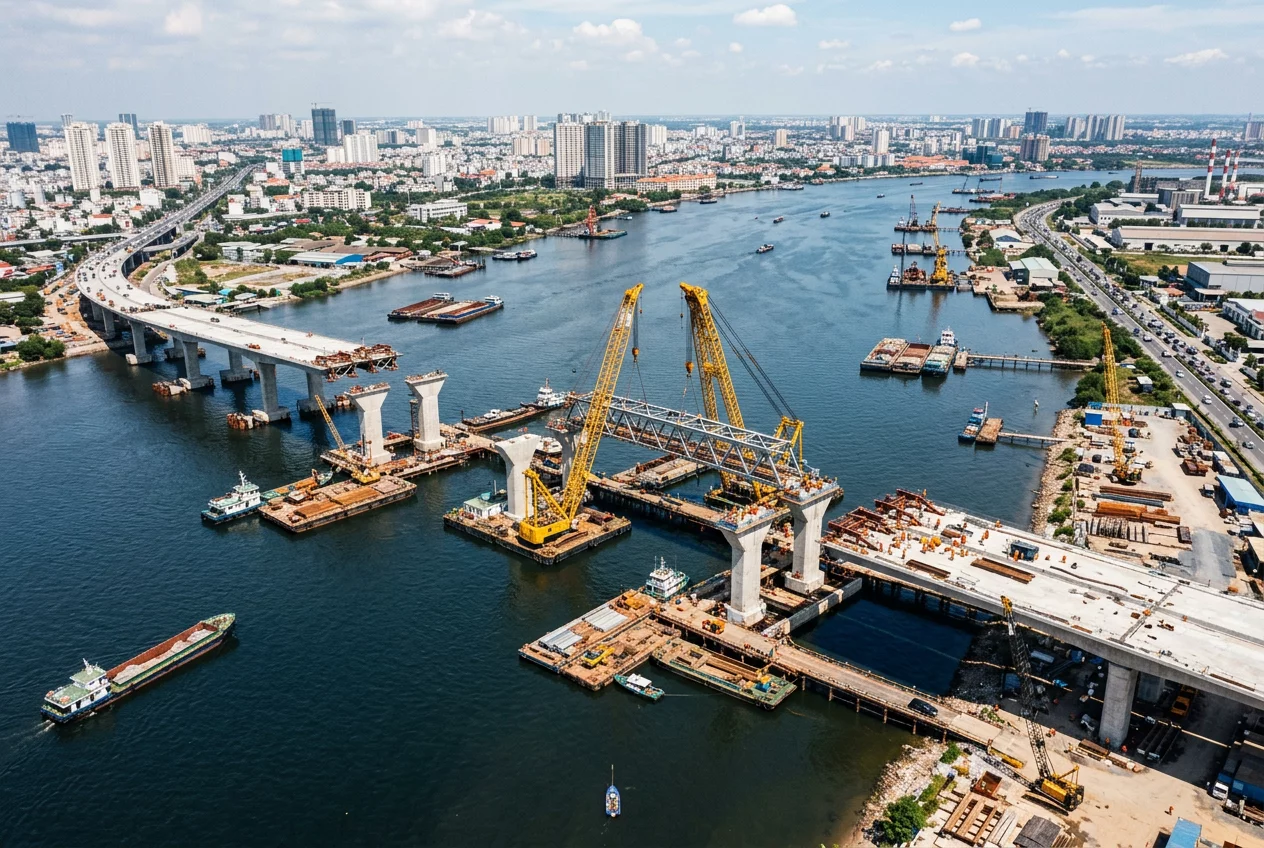
Bridge projects often see pivots in their structural system during the detailed design phase. This section covers the transition from cable-stayed to suspension designs or the introduction of additional piers due to environmental concerns. We document the impact of these changes on the aerodynamic stability and seismic response of the structures. The dataset includes detailed cost corrections related to the procurement of specialized steel and the mobilization of marine construction equipment. We analyze how design pivots affected the long-term maintenance schedules, providing insights into the total cost of ownership for various bridge types.
Urban Integration and Utility Conflict Resolution
In dense urban environments, infrastructure must navigate a labyrinth of existing utilities. This archive details the design pivots required when 'as-built' drawings of old sewers or power lines proved inaccurate. We look at the relocation of subway entrances and the redesign of highway overpasses to avoid critical city infrastructure. The documentation highlights the use of utility mapping technologies like Ground Penetrating Radar (GPR) in correcting design assumptions. These files illustrate the complex negotiations between transit authorities, utility companies, and city planners that define the success of urban infrastructure projects.
Strategies for Infrastructure Risk Management
Invest heavily in comprehensive site investigations before finalizing the design. Create a flexible design framework that allows for modular adjustments to the structural system. Implement real-time cost tracking to identify budget slippage immediately after a design pivot. Maintain a robust contingency fund specifically for geological and utility-related surprises. Engage with all stakeholders early to minimize the risk of late-stage political or regulatory pivots. Use these strategies to enhance the resilience of your large-scale civil engineering endeavors.