Seismic Retrofit Strategy Comparison Case Files
Strengthening the Existing Fabric
Seismic retrofitting is a critical necessity for aging building stocks in active tectonic zones. This archive compares various strategies used to enhance the lateral resistance of existing structures. We analyze the performance of traditional methods—like adding shear walls or steel bracing—against modern innovative solutions. The focus is on the balance between structural efficacy, cost, and the level of disruption to the building's occupants. These case files provide a data-driven comparison of how different retrofit techniques behave during actual seismic events or high-fidelity shake-table tests.
Base Isolation vs. Supplemental Damping
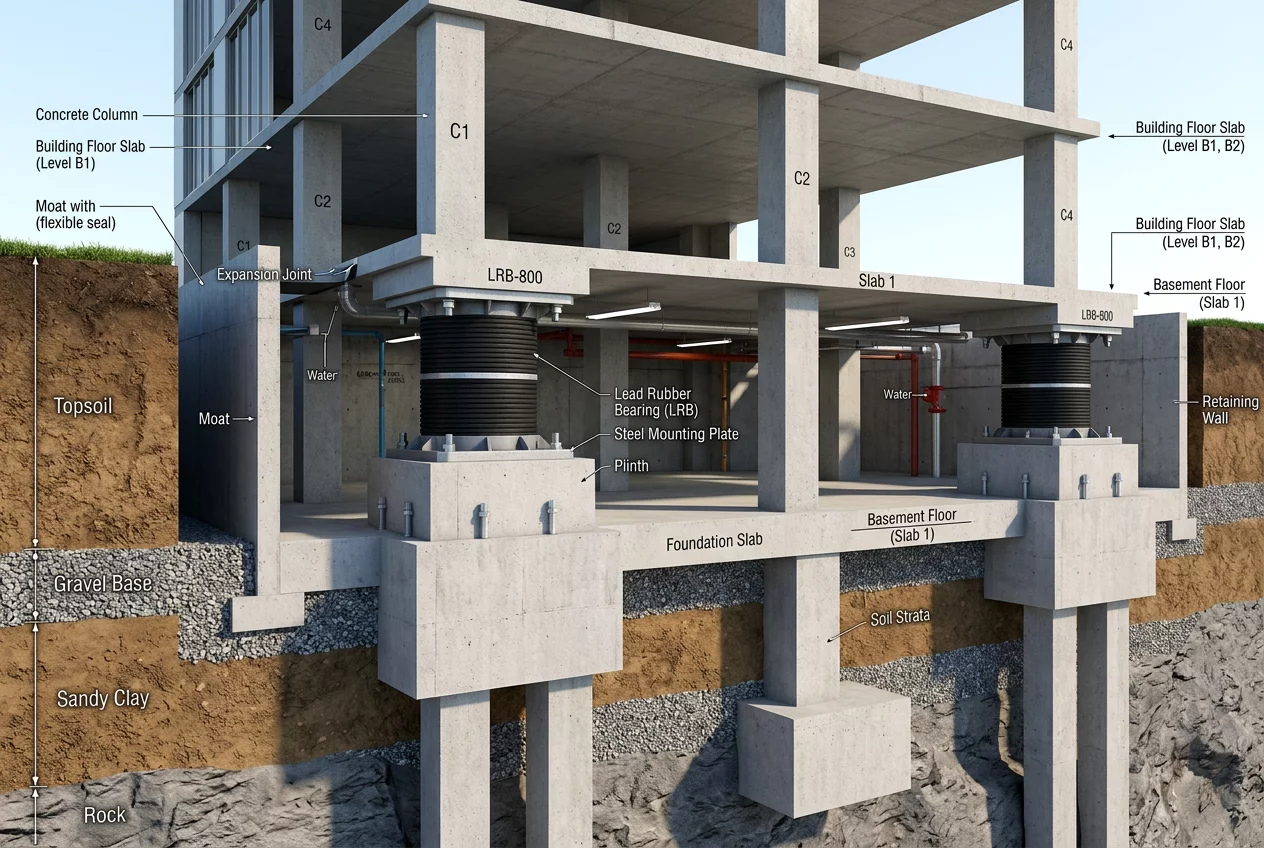
The choice between isolating a building from the ground or absorbing the energy within the structure is a fundamental engineering decision. Our files document the retrofitting of historical government buildings and hospitals with base isolation systems. We analyze the complex excavation required to insert isolators beneath existing footings. In contrast, we examine the installation of fluid viscous dampers and tuned mass dampers in high-rise residential blocks. The data compares the reduction in peak floor accelerations and the subsequent protection of non-structural components like ceilings and partitions. This section is essential for engineers weighing the pros and cons of high-tech seismic protection.
Fiber-Reinforced Polymers and External Bracing
For projects with limited budgets or strict aesthetic constraints, fiber-reinforced polymers (FRP) and external steel bracing offer versatile alternatives. We archive cases where carbon and glass fiber wraps were used to increase the ductility of concrete columns and beams. The documentation includes 'pull-off' tests and long-term bond strength monitoring. We also analyze the use of external 'exoskeletons'—steel frames attached to the outside of a building—to provide lateral stiffness without interior demolition. These case files highlight the importance of connection design between the new steel and the old concrete, ensuring efficient load transfer during an earthquake.
Masonry Retrofit and Historical Sensitivity
Unreinforced masonry (URM) buildings are particularly vulnerable to seismic forces. This collection explores the evolution of techniques like center-core drilling and the application of textile-reinforced mortars. We document the challenges of retrofitting heritage buildings where the structural intervention must remain invisible. The data shows how internal post-tensioning can bind masonry walls together, significantly improving their out-of-plane stability. We examine the use of base isolation for entire historical districts, a radical but effective approach to preserving urban heritage. These files provide a roadmap for protecting our architectural history from natural disasters.
Best Practices for Seismic Retrofitting
Conduct a detailed seismic vulnerability assessment using non-linear dynamic analysis. Prioritize the protection of life safety and the maintenance of critical building functions. Select a retrofit strategy that minimizes the need for occupant relocation. Ensure that all new structural elements are properly integrated with the existing load path. Verify the quality of materials and workmanship through rigorous on-site testing. Follow these steps to significantly reduce the seismic risk of your building portfolio.