Sustainable Material Substitution Impact Report
Quantifying the Green Shift
The AEC industry is under increasing pressure to reduce embodied carbon, leading to a surge in sustainable material substitutions. This report archives the transition from carbon-intensive materials like traditional Portland cement and virgin steel to greener alternatives. We analyze the structural and economic implications of these swaps. The focus is not just on the environmental benefits, but on how these materials perform under real-world loading conditions. The data includes long-term monitoring of buildings that utilized recycled aggregates and carbon-sequestering concrete mixes, providing a realistic view of their durability and maintenance needs.
Mass Timber as a Viable Steel Alternative
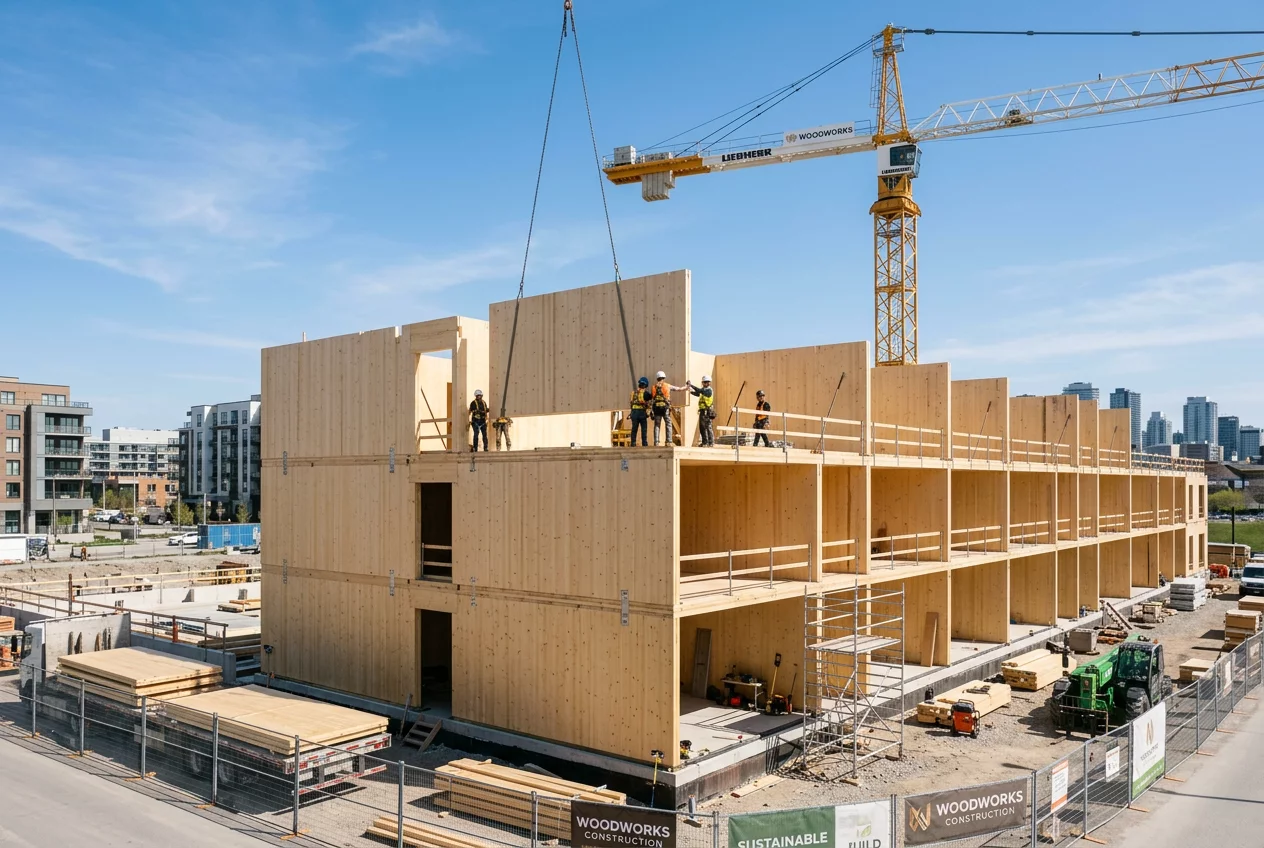
One of the most significant trends in our dataset is the substitution of steel frames with Cross-Laminated Timber (CLT) and Glulam. We document the evolution of mid-rise and high-rise timber projects, focusing on the unique engineering challenges they present. Timber requires a different approach to fire safety and acoustic insulation compared to concrete. Our case files detail the moisture management strategies used during construction to prevent swelling and mold. We examine the speed of assembly offered by prefabricated timber panels, contrasting the higher material cost with the reduced on-site labor and foundation requirements due to the material's lighter weight.
Recycled and Low-Carbon Concrete Innovations
Concrete remains the most used material in construction, making its decarbonization critical. This section analyzes the impact of substituting fly ash, slag, or calcined clays for cement clinker. We provide data on the compressive strength development and workability of these mixes. The archive includes cases where 'green' concrete was used in massive pours, highlighting the thermal management techniques needed to prevent cracking. We also examine the use of recycled plastic and glass as aggregates, documenting their effect on the material's thermal conductivity and fire resistance. These findings are vital for engineers aiming to meet ambitious ESG targets.
Lifecycle Analysis of Alternative Envelopes
The building envelope offers numerous opportunities for sustainable substitution. This report covers the use of hempcrete, straw bale, and recycled metal cladding in commercial and residential projects. We analyze the R-value performance of these materials over several seasons. The documentation includes life-cycle assessments (LCA) that compare the total carbon footprint of traditional glass curtain walls versus high-performance bio-based facades. We look at the durability of natural finishes and the frequency of required maintenance. These case files help architects select materials that offer both environmental benefits and long-term structural reliability.
Implementing Sustainable Substitutions
Conduct a thorough LCA before finalizing material choices. Verify the local availability of sustainable alternatives to minimize transport emissions. Test the compatibility of new materials with traditional adhesives and fasteners. Monitor the curing process of low-carbon concrete more closely than standard mixes. Educate site crews on the specific handling requirements of mass timber components. Follow these procedures to ensure that your sustainability goals do not compromise the project's structural integrity or budget.